Calavera Guitar Launch: Product Education Course
Client: Calavera Guitars + Global Music (fictional scenario for academic/portfolio purposes)
Tools: Articulate Storyline | Vyond | Adobe XD
Calavera Guitars partnered with Global Music to train remote sales representatives ahead of a new guitar line launch. I designed a 15-minute Storyline course that built product expertise, strengthened chat-based consultative sales skills, and equipped reps to compare the Revolution Series to competitor models.
The course included a brand-narrative introduction video, interactive product breakdowns, competitive comparisons, chat-based simulations, and knowledge checks aligned to measurable learning objectives. I led the full instructional design and development process—analysis, design document, storyboard, prototype, Storyline build, QA, and evaluation.
The evaluation showed excellent clarity, engagement, and relevance, and validated the course’s structure as an efficient microlearning experience.
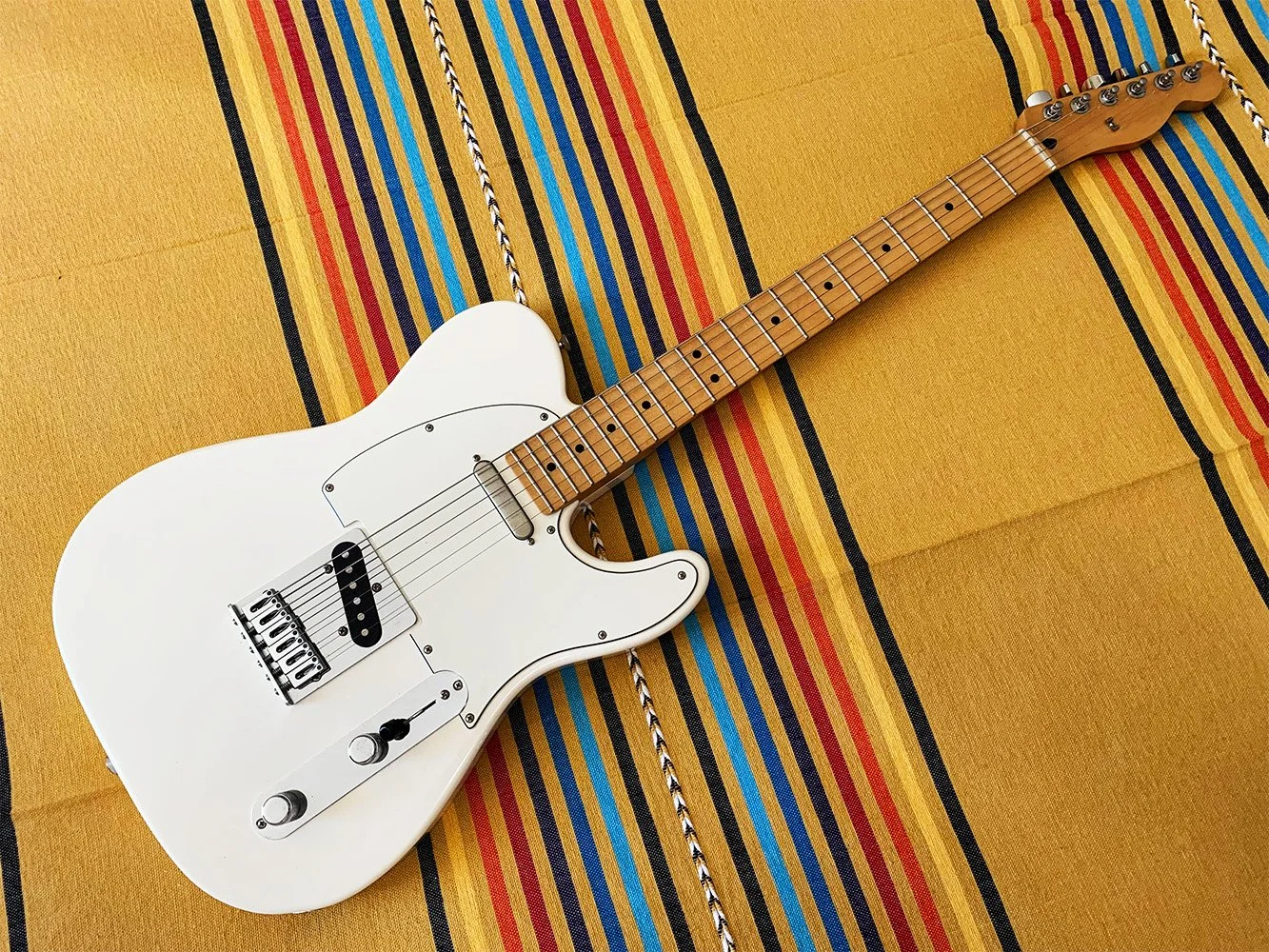
Project Context & Goals
-
Client: Calavera Guitars + Global Music
Project Type: Product Training Microlearning (15 minutes)
My Role: Instructional Designer, Storyline Developer, Project Manager
Tools Used: Articulate Storyline, Vyond, Adobe XD, Adobe Creative CloudA rapid-training eLearning solution designed to prepare remote sales reps for the launch of a new mid-range guitar line.
Note: This project was developed as a fictional training scenario for academic and portfolio purposes.
-
Calavera entered a new market tier with the Revolution Series, priced at $499. Sales reps needed to quickly understand:
Key specifications and value of the new guitar line
How to compare it to the closest competitor (Fender Player Series)
How to apply consultative sales techniques specifically in live chat
How to confidently respond to common customer questions
The solution needed to be brief, engaging, accurate, and aligned to the reps’ chat-based workflow.
-
Remote inbound sales representatives, ages 20–40
Experience in guitar sales and customer service
Strong motivation due to commission-based structure
All training completed individually on company-issued laptops
One learner with color-blindness required accessible design choicesTheir role is entirely text-based, so training needed to reflect realistic chat interactions and short attention spans.
-
Identify and summarize the unique and shared specifications of the Revolution Series.
Respond accurately to common customer questions about features, build quality, and accessories.
Apply consultative sales techniques within text-based scenarios.
Confidently articulate differences between Calavera and competitor models.
Design & Development Process
-
A 15-minute interactive Storyline course structured into concise sections:
Brand introduction video with product context
Click-to-reveal product specifications and manufacturing information
Drag-and-drop comparison with the Fender Player Series
Animated Vyond chat scenarios simulating customer conversations
Formative knowledge checks and open-response practice
Final reflective application activity
The course was built to function as a microlearning experience with strong visual consistency and minimal cognitive load.
-
Microlearning:
Content divided into short, focused segments aligned with 12–15 minute attention spans.Interactive Elements:
Hotspots, drag-and-drop activities, knowledge checks, and chat simulations to promote active engagement.Chat-Based Design:
All customer interaction activities mirror the live-chat tone, pacing, and constraints reps encounter daily.Accessibility:
High-contrast palette, no color-only indicators, clear sans-serif typography, and structured layouts.Brand Alignment:
Used Calavera’s blue and gold branding, photography of the new guitar line, and modern flat UI elements. -
1. Introduction
Founder video introducing the Revolution Series, manufacturing process, and brand story.2. Product Specifications
Click-to-reveal hotspot interactions for:Pickups
Bridge and saddles
Neck profile and frets
Body materials
Signature branding
3. Competitive Comparison
Drag-and-drop activity comparing the Revolution Series with the Fender Player Series.4. Consultative Sales Skills
Animated chat scenarios
Fill-in responses
Matching and multiple-response questions
A structured writing activity to apply sales best practices
5. Summary & Application
Learners review key takeaways and apply knowledge to a full client scenario. -
Analysis: Learner needs, context, and constraints reviewed.
Design: Storyboard, interaction scripts, assessment strategy, visual design plan.
Prototype: Adobe XD prototype shared for stakeholder alignment.
Development: Full Storyline build with media, animations, and logic.
Quality Assurance: Internal testing of interaction accuracy, accessibility, and pacing.
Evaluation: One-to-one formative evaluation with documented recommendations. -
Articulate Storyline 360: Core development, interactions, and assessments.
Vyond: Animated sales conversations and scenario sequences.
Adobe XD: Early prototype to validate layout and flow.
Adobe Creative Cloud: Asset editing and visual design.
Outcomes, Deliverables & Reflections
-
SCORM-ready Storyline course
Instructional Design Document
Complete Storyboard
Adobe XD prototype
Evaluation report with improvement recommendations
Suggested placement: thumbnails or mockups of storyboard, prototype, and course interface.
-
Evaluation highlighted several strengths:
Clear structure and intuitive flow
High engagement due to interactive elements
Strong alignment between objectives and assessments
Effective microlearning pacing
Professional brand integration throughout
Recommendations included clarifying the essay word-range, refining feedback consistency, and enhancing phrasing on one performance objective.
-
Designing for chat-based performance requires precise scenario writing.
Microlearning works best with strong pacing and tight information hierarchy.
Balancing product specifications with sales skills builds more relevant training.
Early prototyping significantly improves stakeholder alignment and reduces rework.